|
Welding Equipment - Basic Equipment, Protective Gear
Getting
started with welding can be quite intimidating for anyone who is new to
the field. For experienced welders, there is always another tool to buy
for each new project that comes along. The selection can be staggering
with so many choices out there. Baker's Gas and Welding offers
top
of the line products from leading companies so that welders don't have
to wonder about the quality of their purchases.
For welders who
are either just starting out or looking to add a new tool to their
shops,
here is a guide about some basic welding
equipment and protective gear.
A Guide to Selecting Welding
Equipment
Welders
The
voltage power, AC/DC settings, and duty cycle are some of the most
important factors to consider when choosing a welder. The welder will
need both the power and a sufficient operating time (the duty cycle) in
order to complete every project. Choosing between stick, MIG, and TIG
welders is a matter of balancing cost, skill, portability, convenience,
and the nature of the project. MIG welding is simple to use, but it is
costly and not as portable as the simple stick welding process. TIG
welding creates high quality, clean welds, but it is much more
difficult to learn.
Read
Baker's Guide to Choosing a Welder
Electrodes
There
are specific electrodes that match each of the three main welding
processes. Stick welding uses a consumable electrode that is melted in
order to create the weld joint. The E6010 electrode is one of the most
popular electrodes, though the E6011, E6013, and E7018 are
frequently listed by welders as excellent choices.
MIG welding
uses a consumable electrode wire that is fed through the welding
torch. Most projects use wire in the following range of thickness:
.023, .030, .035, and .045, though a thicker wire may be needed for
larger projects.
TIG
welders use non-consumable electrodes that come in five main varieties.
Ceriated and lanthanated electrodes are both good choices for most TIG
welding applications. Avoid thoriated electrodes since they emit
radiation when used and require a respirator.
Read
Baker's Guide to Choosing the Best Electrode
Clamps
Clamps
are a small part of the welding process, but they are critically
important for keeping a weld joint lined up properly. If a workpiece
shifts, the weld could be crooked and result in the loss of significant
time if it has to be ground down and welded again.
The more
clamps, the better. Some welders have stopped in the middle
of their projects in order to buy more clamps, which shows
just
how important clamps are for welding.
Find
Clamps for Your Project
Angle Grinders
Angle
grinders are critical for preparing metal prior to welding, especially
for MIG and TIG welding. An angle grinder is a portable tool that has
the arbor at 90 degrees in relation to the tool. Depending on their
size, grinders vary from 500 to 2500 watts. Pick an angle grinder with
enough power to clean the metal sufficiently prior to welding. Every
welding project is different, so choosing a grinder with more power and
durability can make a significant difference when planning for future
projects.
Explore
Angle Grinders
A Guide to Welding Safety Gear
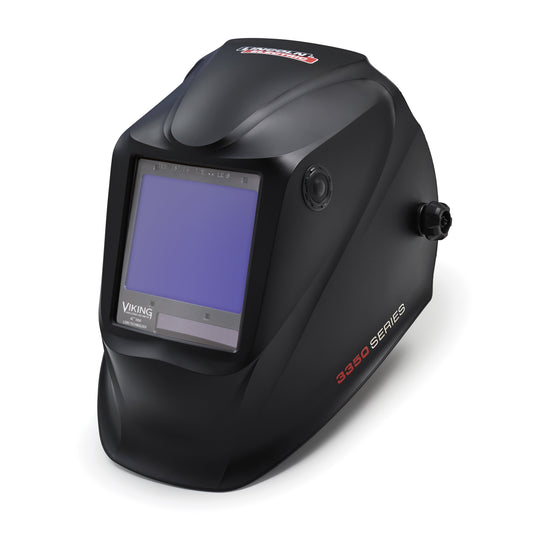
Helmets
Welding emits ultraviolet light rays that are generated by the
electric arc. The extreme brightness generated by welding can cause
inflammation of the cornea and burn the retinas of your eyes. Some
people even go blind because they do not use the right welding
equipment. Dark face plates are good for preventing exposure to the
ultraviolet rays.
Welding
helmets are a critical piece of equipment because they protect your
face from sparks and your eyes from harmful rays. The best choice for a
welding helmet is an auto-darkening helmet that allows welders to keep
both hands on task without having to reach up to put on the darkening
visor.
A good weld can go bad if a torch shifts even an inch.
Therefore experienced welders recommend the auto-darkening helmets
since they can position their torch right where it belongs and start
working immediately. The time it takes to darken a helmet is plenty of
time to shift the position of a weld torch.
Explore
Helmets
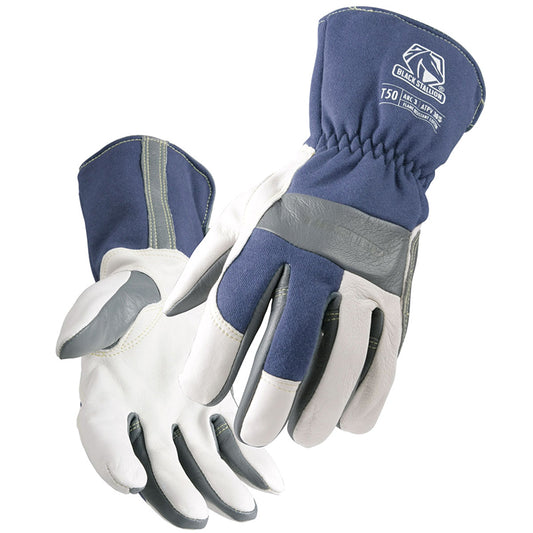
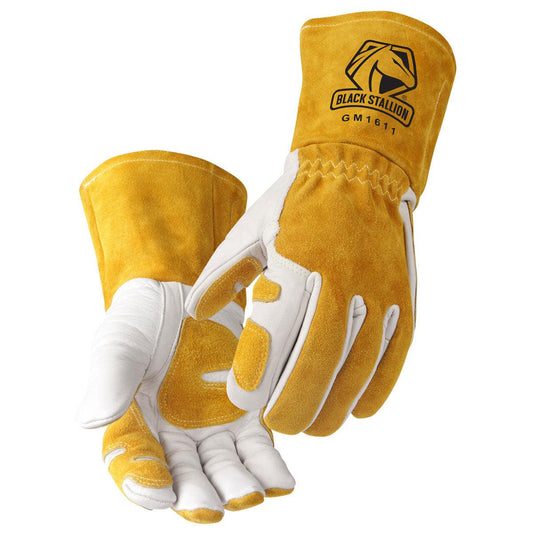
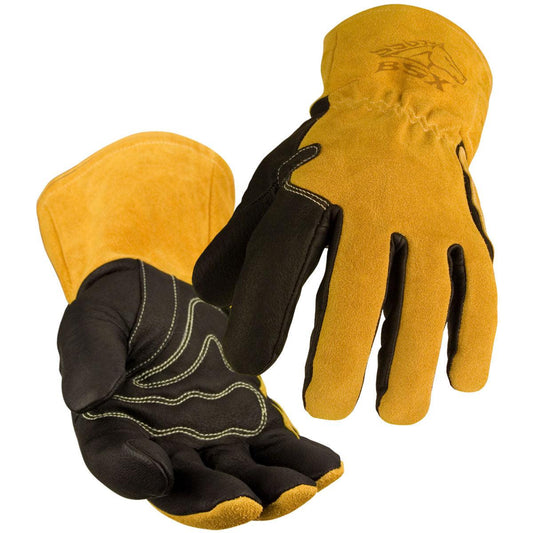
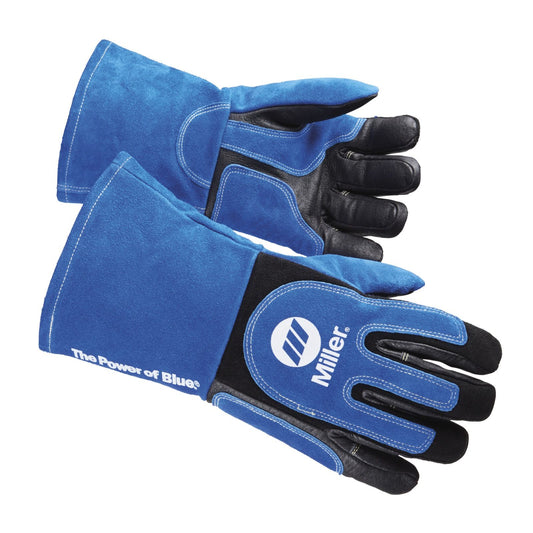
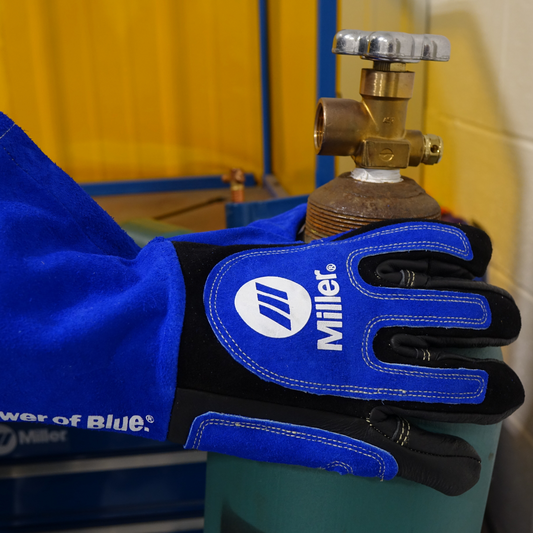
Gloves
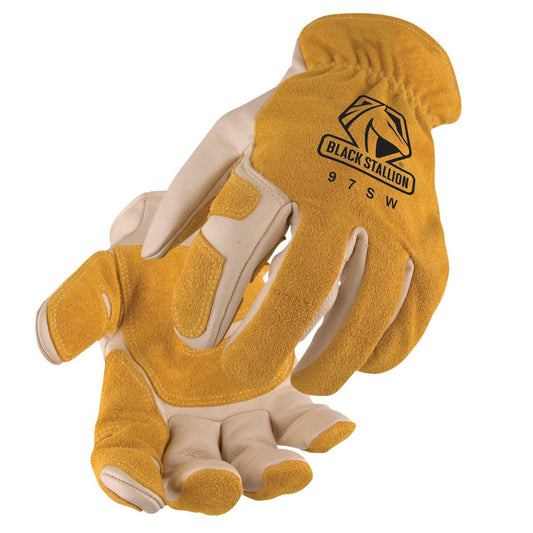
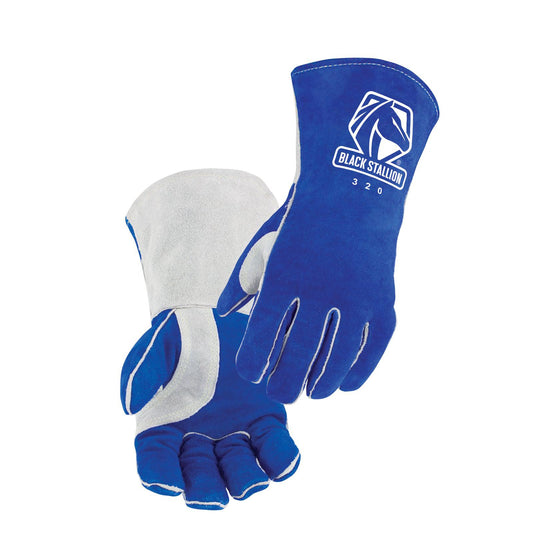
The
best welding gloves are made from top-grain leather, which is the
high-quality outer layer of an animal's hide. Welding gloves balance
flexibility with heat protection and will vary depending on the welding
process used. Stick welding creates the highest heat and requires stiff,
heavy-duty gloves that can withstand high temperatures, while TIG
welding produces the least amount of heat and can use a lighter and
flexible glove.
Goatskin leather gloves are quite popular and
are typically ideal for TIG and MIG welding. Deerskin gloves offer the
advantage of shaping themselves to a welder's hand over time and make
for an extremely comfortable fit. The best glove options for stick
welding include top-grain pigskin, elk skin, and cowhide.
Explore
Welding Gloves
Grounding Clamps
Grounding
clamps are a critical safety measure that protect welders from electric
shocks. In addition, a good grounding clamp will make it easier to
start an arc and will protect your welder. The best ground clamps are
made of copper, not just lined with copper on the edges of the clamp.
Grounding
clamps will be most effective if they maintain constant contact with
the work piece. Some welders modify their set ups by adding a large
piece of copper
cable to their clamps in order to improve the amount of
contact with the surface.
Explore
Grounding Clamps
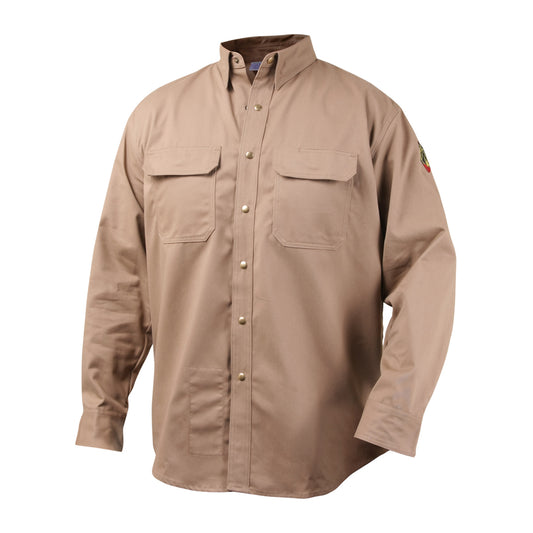
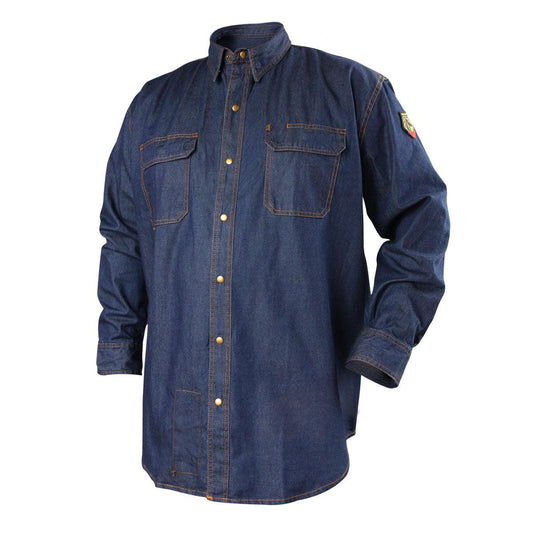
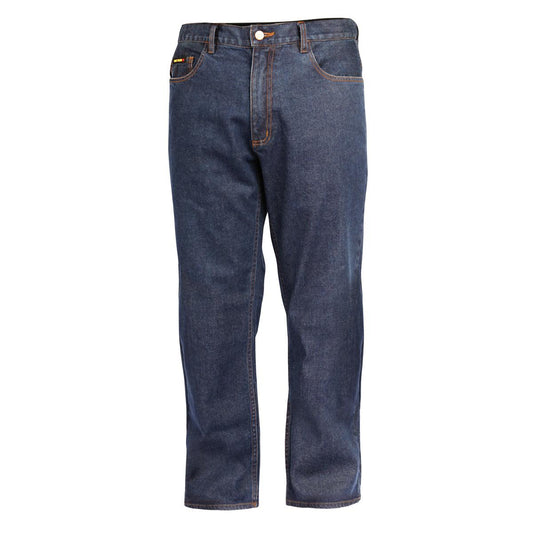
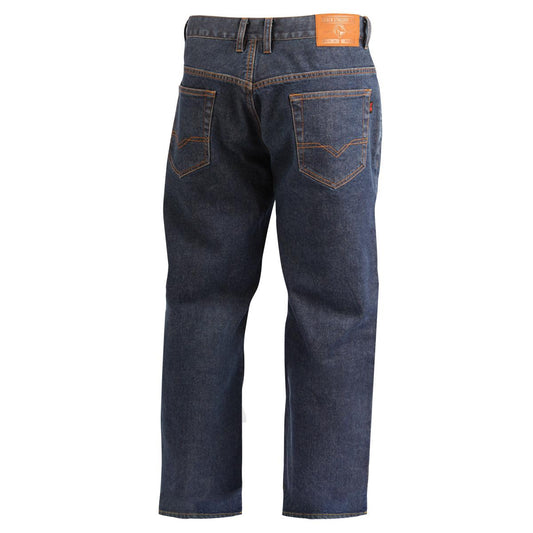
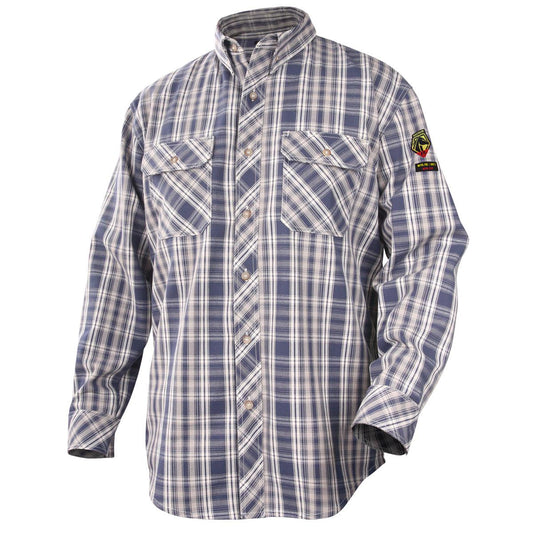
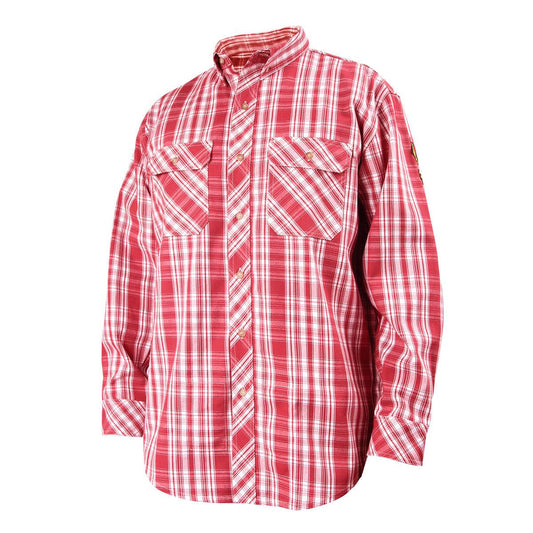
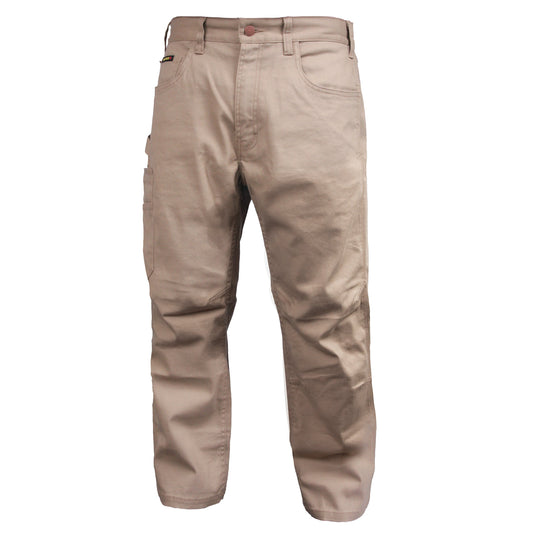
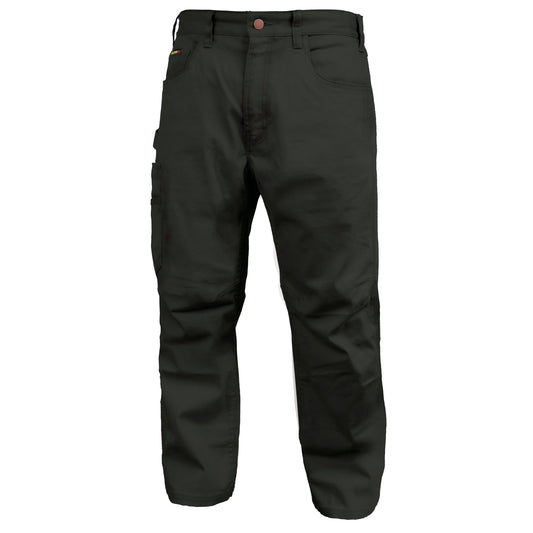
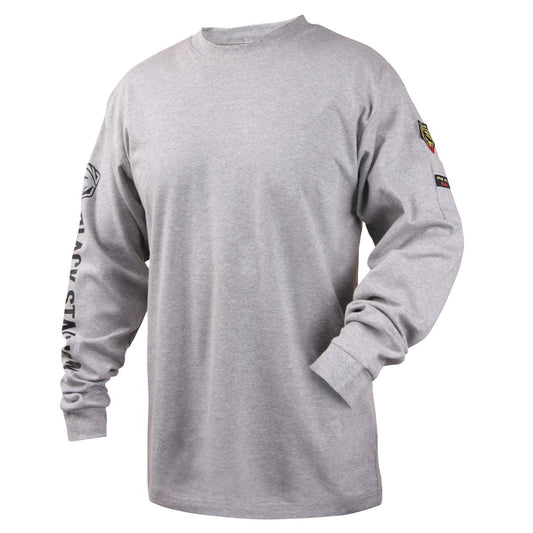
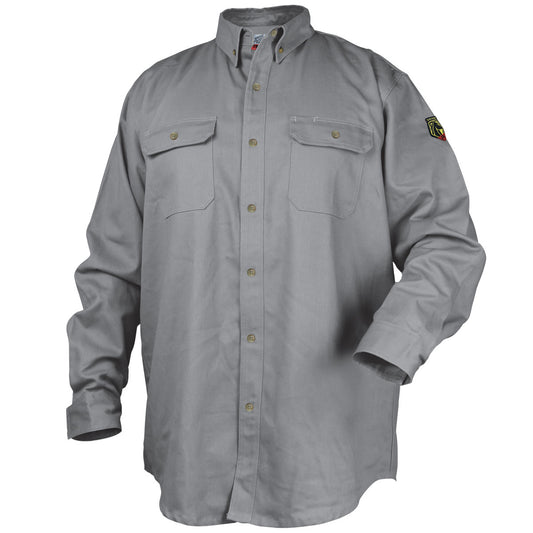
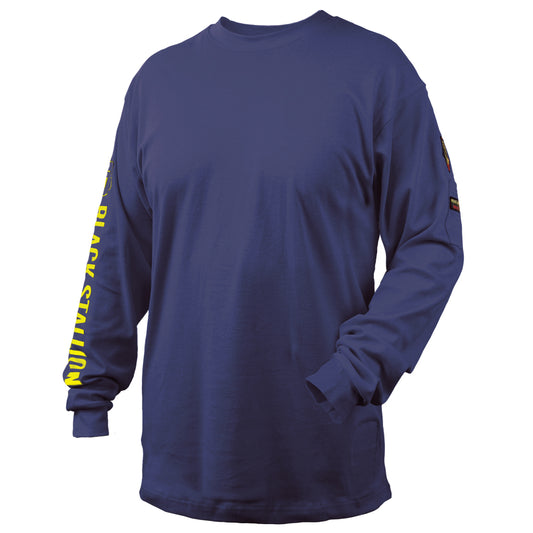
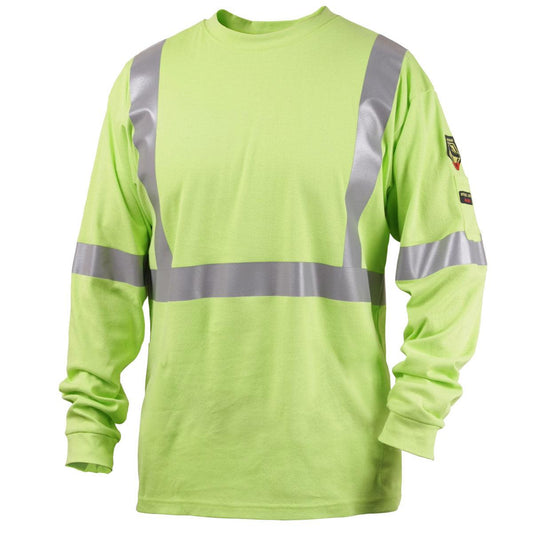
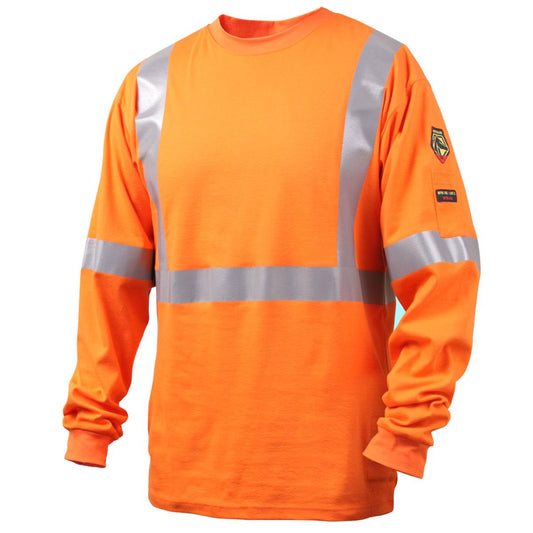
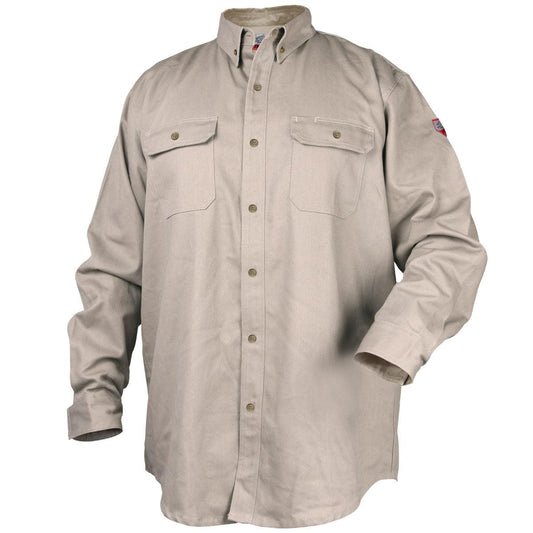
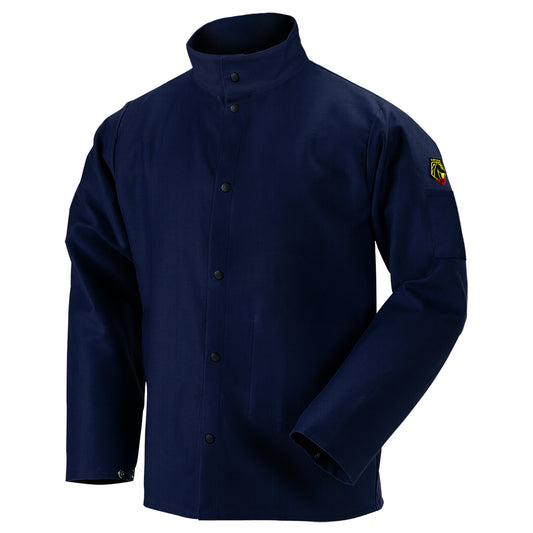
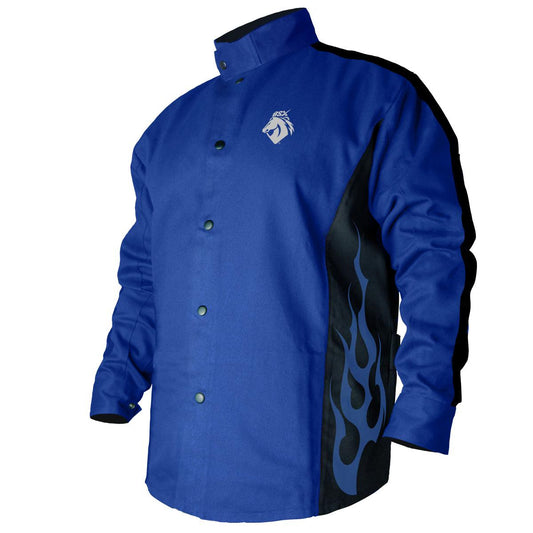
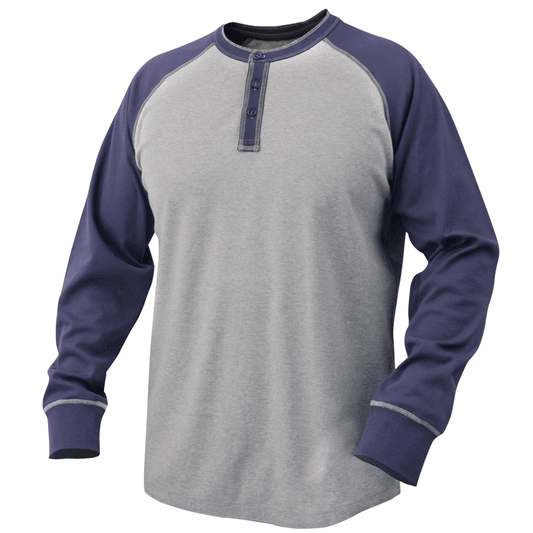
Clothing
No
one wants to work on a welding project and discover sparks and flames
on his/her shirt. Synthetic shirts that aren't specifically made for
welding work can be particularly dangerous for welders when the sparks
begin to fly.
Long sleeves are especially important for
welding work since the rays from welding can cause sunburn on exposed
skin. There are many solutions for welding clothing, but oftentimes the
temperature of a work site or shop will determine what a welder wears.
Leather
clothing is the safest choice, but it is also the warmest. Therefore,
many welders wear leather sleeves, longer gauntlet gloves, a leather
apron, or a kind of modified welding bib with long sleeves and an open
back. Usually a cotton shirt is the best choice to wear under
protective gear since it's not as flammable as synthetic clothing.
Explore Safety
Apparel and Baker's Work
Wear
Safety Products
Depending
on the nature of your work and your shop set up, your safety needs will
vary. At the very least every shop needs a fire extinguisher and some
form of ventilation. Fume extraction systems represent the best option,
but many home welders can get by with an open garage door or a simple
ventilation system set up in a window. However, ventilation is not
optional since certain welding processes can give off toxic fumes
depending on the materials being welded.
If welding at
home, it's important to set up welding screens to protect passing
pedestrians or fire retardant barriers to prevent sparks from catching
on any cloth, cardboard, or saw dust in the garage. For particularly
messy welding projects, these screens also save on clean up.
For
shops or garages that have lots of fuel cannisters on hand, Baker's
offers fuel storage solutions that will keep them upright and safe. In
a garage or shop where the unexpected can happen, securing fuel and
shielding everything from sparks is critical.
Explore
Safety Products
The
gear and products in this article are just some of the basics for
welding, but welders will need to purcahse shielding gas and other
materials depending on their work. To find more of what you need to
weld, shop
by category.
Additional Articles and Resources
Written for BakersGas.com by Ed Cyzewski
|